
Summary
Staying hydrated is crucial for your body's functions, including healthy skin, but there's a common misconception that simply drinking more water will magically clear up acne or other skin issues. The reality is more nuanced: water helps maintain skin elasticity and a healthy barrier, but it's not a direct cure for blemishes. For truly clear skin, a combination of good hydration, diet, and a consistent skincare routine is key. Our top advice is to focus on consistent, adequate water intake as part of a broader approach.
It's a question that pops up everywhere: will drinking more water actually clear up your skin? For years, we've heard that chugging H2O is the secret to a flawless complexion, but the real answer is a bit more complicated than a simple yes or no.
While staying hydrated is absolutely vital for your overall health, including the health of your skin, it's not a magic bullet that will erase all your skin concerns overnight. Think of water as a fundamental building block, not a quick fix.
The Role of Water in Skin Health
Your skin is your body's largest organ, and it's made up of about 64% water. So, it makes sense that hydration plays a big part in how it looks and feels. Here's what water actually does for your skin:
- Maintains Elasticity: Well-hydrated skin is plumper and more elastic. This can make fine lines and wrinkles appear less noticeable.
- Supports the Skin Barrier: Water helps maintain the integrity of your skin's protective barrier, which keeps irritants out and moisture in. A strong barrier means healthier, less reactive skin.
- Aids Nutrient Delivery: Water helps transport essential nutrients to skin cells and carries away waste products, which is crucial for cell function and renewal.
- Regulates Temperature: Through sweating, water helps regulate your body temperature, which is part of your skin's job.
Does Drinking Water Clear Acne?
This is where the biggest misconception lies. There's no scientific evidence to suggest that simply drinking more water will directly clear up acne. Acne is a complex condition influenced by factors like hormones, genetics, bacteria, inflammation, and excess oil production.
Here's the thing: if you're severely dehydrated, your skin might produce more oil to compensate for the lack of moisture, potentially leading to clogged pores and breakouts. But for most people, simply increasing water intake beyond a healthy baseline won't make existing acne disappear.
Think of it this way: water helps create a healthy environment for your skin, but it doesn't address the root causes of acne. For that, you need targeted treatments and a consistent skincare routine.
What Happens When You're Dehydrated?
If you're not drinking enough water, your skin will show it. You might notice:
- Dullness: Dehydrated skin often looks tired and lacks its natural radiance.
- Dryness and Flakiness: Without enough internal moisture, your skin can become dry, tight, and even flaky.
- More Visible Fine Lines: When skin cells are shriveled from dehydration, fine lines and wrinkles become more pronounced.
- Reduced Elasticity: Pinch your skin gently; if it doesn't bounce back quickly, you might be dehydrated.
These are all signs that your skin isn't getting the internal support it needs to look its best, but they're different from active breakouts.
So, What Actually Clears Skin?
While drinking enough water is a piece of the puzzle, truly clear skin comes from a multi-faceted approach:
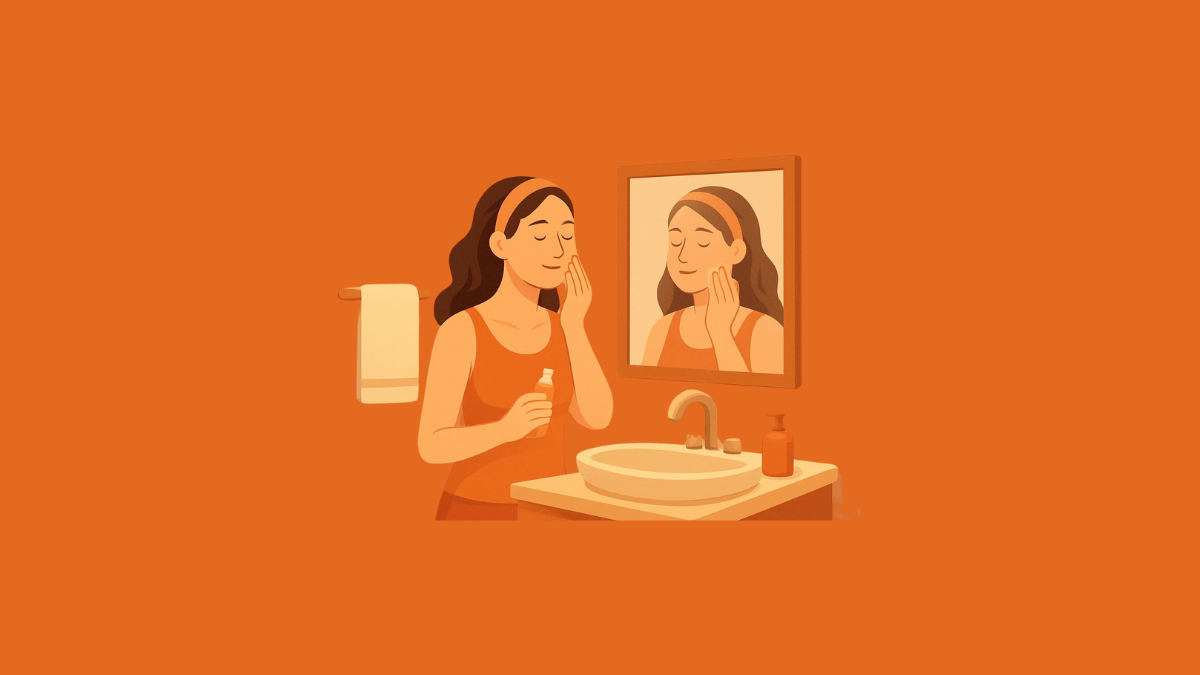
- Consistent Skincare Routine: This is non-negotiable. Cleansing twice daily, using targeted treatments (like salicylic acid or benzoyl peroxide for acne), and moisturizing are fundamental.
- Balanced Diet: Eating a diet rich in fruits, vegetables, and lean proteins, and limiting processed foods and excessive sugar, can significantly impact skin health. Antioxidants from food protect skin cells.
- Sun Protection: Daily SPF protects your skin from UV damage, which can lead to premature aging and hyperpigmentation.
- Stress Management: Stress can trigger hormonal fluctuations that lead to breakouts. Finding ways to manage stress is crucial.
- Enough Sleep: Your skin repairs itself while you sleep. Lack of sleep can make skin look dull and contribute to inflammation.
- Topical Treatments: For specific concerns like acne, ingredients like retinoids, alpha hydroxy acids (AHAs), and beta hydroxy acids (BHAs) can be very effective when used consistently.
The Bottom Line
Drinking enough water is undeniably good for you and helps your skin function optimally. It supports elasticity, a healthy barrier, and overall cell health, which contributes to a more radiant complexion. However, it's not a standalone cure for acne or other complex skin issues.
Think of adequate hydration as laying a healthy foundation. On top of that foundation, you need a targeted skincare routine, a healthy lifestyle, and potentially specific treatments to address concerns like breakouts. Don't expect water alone to clear your skin, but definitely keep that water bottle handy for your overall well-being.


Comments
No comments yet — be the first.