
Summary
Most homeowners should plan to change their HVAC air filter every three months, but several factors can mean you need to do it more often. Things like pets, allergies, smoking, and even where you live can make your filter get dirty faster. Checking your filter once a month is a good habit to keep your indoor air fresh and your system running efficiently.
One of the easiest things you can do to keep your home comfortable and your air fresh is to regularly change your HVAC air filter. But what does "regularly" actually mean? It’s a common question, and the answer isn't always a simple one-size-fits-all.
While many sources recommend changing your air filter every three months, that's really just a starting point. The truth is, your home's unique situation might call for a more frequent swap. Ignoring this simple task can lead to some real headaches, both for your health and your wallet.
Why a Dirty Air Filter is Bad News
Let's talk about what happens when you let that filter go too long. A clogged filter can't do its job properly. Instead of trapping dust, pollen, pet dander, and other airborne particles, it just lets them circulate through your home. This means:
- Poorer Indoor Air Quality: You'll notice more dust on surfaces, and the air itself might feel stale or even trigger allergies.
- Health Issues: Increased allergens and pollutants can make life harder for anyone with asthma, allergies, or other respiratory sensitivities.
- Reduced HVAC Efficiency: Your heating and cooling system has to work much harder to push air through a dirty filter. This uses more energy, driving up your utility bills, and puts unnecessary strain on the equipment, potentially leading to costly repairs or a shorter system lifespan.
The Baseline: Every Three Months
For most average homes without any special circumstances, HVAC professionals generally advise changing your air filter every three months. It's a solid recommendation that balances filter life with air quality and system health. However, it's also a good idea to visually check your filter once a month. This quick peek can tell you if it's getting dirty faster than expected.
Factors That Demand More Frequent Changes
Think of the three-month rule as a guideline, not a strict deadline. Several common factors can significantly shorten your filter's effective lifespan. If any of these sound like your home, you'll likely need to change your filter more often:
Pets
Our furry friends are great companions, but they shed. A lot. Pet hair and dander are major culprits when it comes to clogging filters. If you have multiple pets, or even just one large, shedding dog or cat, you might need to change your filter every 30 to 60 days.
Smoking in the Home
Cigarette smoke contains tiny particles and odors that quickly build up in your filter. If someone smokes indoors, you should plan to change your filter every 30 days to help maintain air quality and protect your HVAC system from residue.
Household Health Concerns
If anyone in your home suffers from allergies, asthma, or other respiratory conditions, keeping the air as clean as possible is a priority. In these cases, a 30-day filter change schedule, possibly with a higher MERV rated filter, can make a noticeable difference.
Local Air Quality
Where you live plays a big role. If your home is near industrial areas like factories, refineries, or even busy roads with a lot of vehicle exhaust, your outdoor air quality is likely lower. This means more pollutants getting into your home and clogging your filter faster. Consider changing your filter every 30 to 60 days if you're in one of these areas.
HVAC System Usage
Do you run your heating or air conditioning system almost constantly? Maybe you live in a climate with extreme temperatures, or you just prefer a consistent indoor temperature year-round. More runtime means more air moving through the filter, which means it gets dirty faster. Heavy usage might call for changes every 30 to 60 days.
Filter Type and MERV Rating
Not all filters are created equal. The type of filter you use impacts how often it needs changing:
- Fiberglass Filters (MERV 1-4): These are the cheapest, thinnest filters. They catch larger particles and protect your HVAC system, but don't do much for air quality. They need changing every 30 days.
- Pleated Filters (MERV 5-13): These are the most common and offer a good balance of airflow and particle capture. They're generally changed every 60 to 90 days, but higher MERV ratings (like 11-13) might need more frequent changes if your air is particularly dirty.
- High-Efficiency Filters (MERV 14+): These include true HEPA filters (often external units, not standard HVAC filters) and other very dense pleated filters. They capture very small particles, but can restrict airflow in standard residential systems. They may need professional installation and more frequent checking.
- Carbon-Activated Filters: These filters often have a MERV rating around 8-11 and are designed to trap odors in addition to particles. They can get saturated with odors quickly, so their lifespan might be shorter than a standard pleated filter, especially in homes with pets or smokers.
Number of Occupants
More people in a home generally means more activity, more dust, and more particles introduced into the air. A single person living alone will likely need to change their filter less often than a family of five.
How to Check Your Air Filter
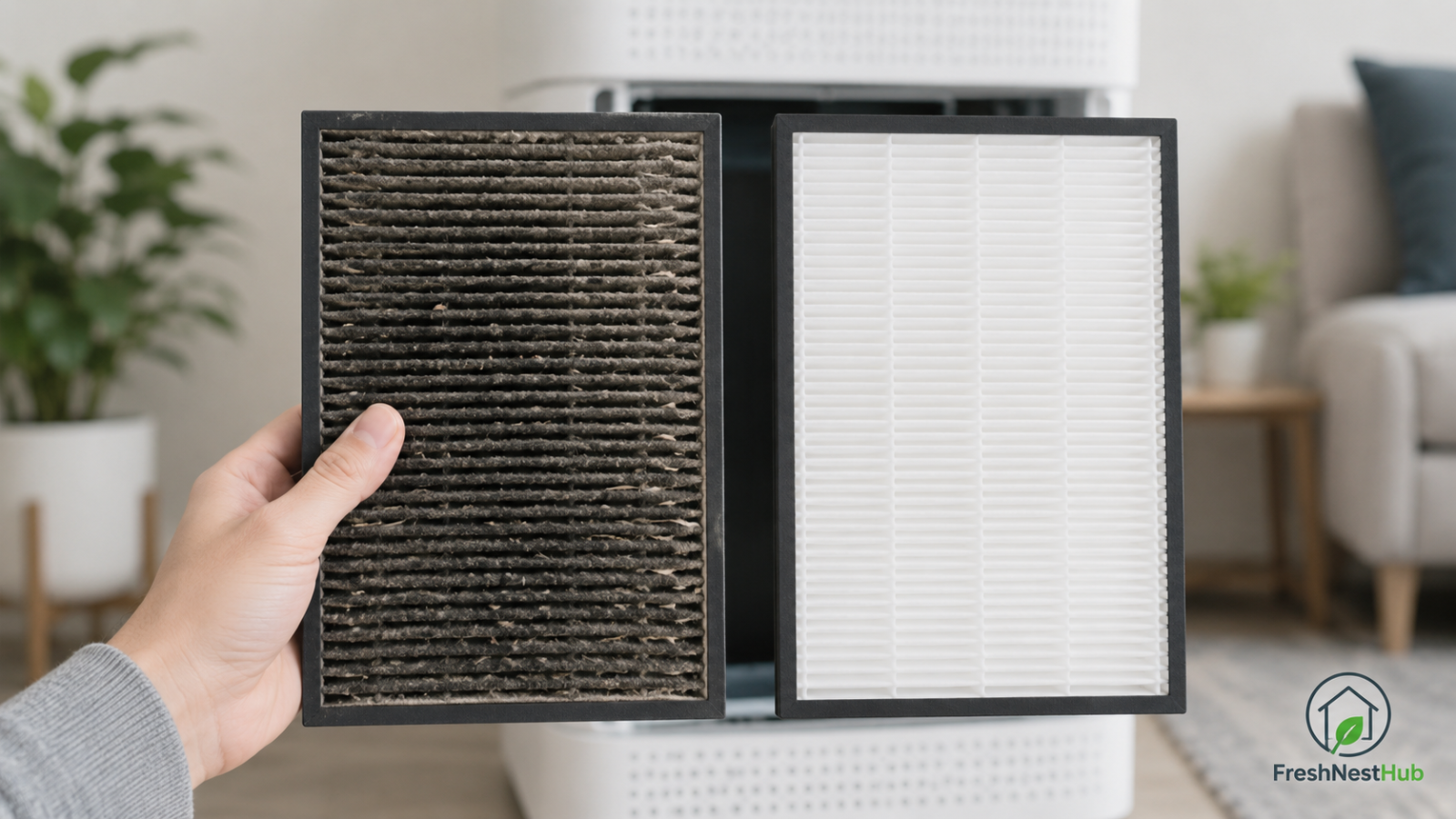
Checking your air filter is simple. Most HVAC systems have a designated slot for the filter, usually near the air return or where the return duct enters the furnace or air handler. Turn off your system first, then slide out the old filter. If you can't see the filter material through the dust and grime, or if it looks significantly darker than a new filter, it's time for a change.
Make sure to note the size of your filter (e.g., 20x25x1 inches) and the MERV rating when you buy a replacement. These details are usually printed on the filter's frame.
The Bottom Line
While the standard recommendation is to change your home air filter every three months, it's more accurate to say you should change it when it's dirty. Factors like pets, smokers, allergies, local air quality, and even how much you use your HVAC system all play a role. A quick monthly check is your best bet for keeping your air clean and your system happy.
Remember, regular air filter changes are just one part of keeping your HVAC system in good shape. Don't forget about annual HVAC tune-ups to keep everything running smoothly for years to come.

Comments
No comments yet — be the first.