
Summary
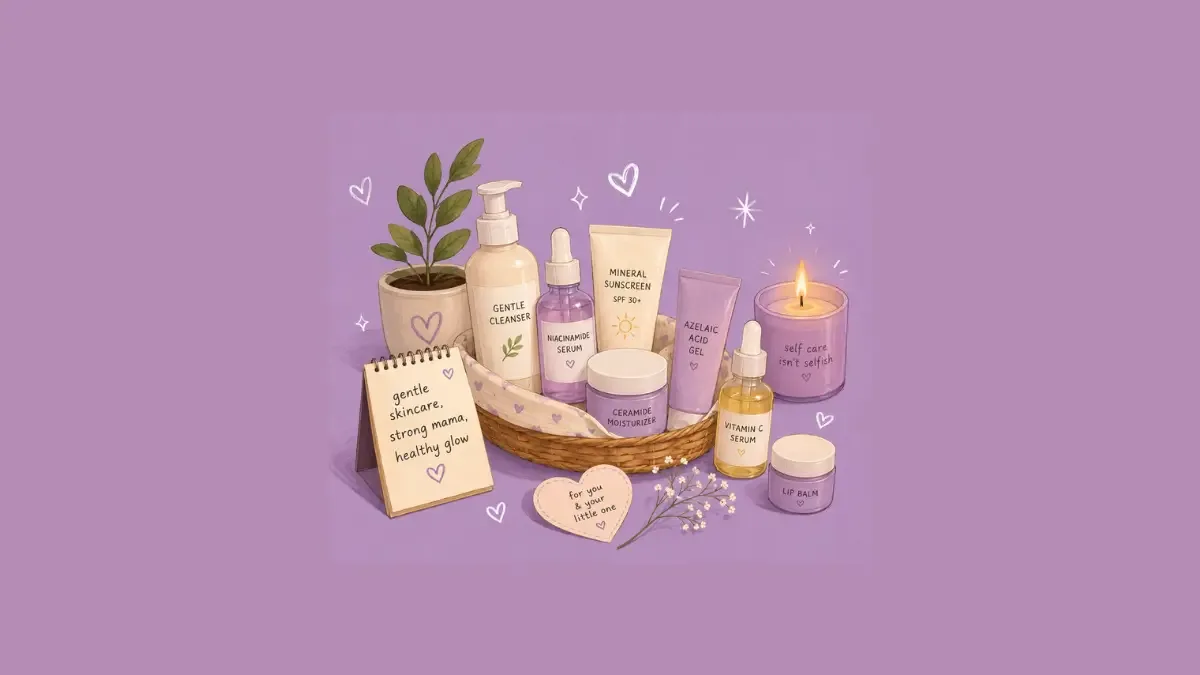
Pregnancy brings many changes, including to your skin. This guide helps you choose safe skincare products and routines, focusing on ingredients to avoid like retinoids and high-dose salicylic acid, and recommending gentle, effective alternatives. We cover routines for dry, oily, sensitive, and acne-prone skin, emphasizing physical sunscreens and the importance of moisturizing to help prevent issues like stretch marks. Always check with your doctor for personalized advice.
Pregnancy is a wild ride, and while you're busy preparing for a new arrival, your skin might also be putting on a show. From unexpected dryness to new breakouts or dark spots, hormonal changes can throw your usual skincare routine for a loop. The good news is that you don't have to just live with it. You can adjust your routine with safe, effective products that support your skin throughout pregnancy.
Here's the deal: not all your go-to ingredients are safe for use during pregnancy. This guide will walk you through what to skip, what to embrace, and how to build a simple, effective skincare routine tailored to your skin type.
Important: This article provides general skincare guidance. Always consult your doctor, obstetrician, or dermatologist before introducing new skincare products during pregnancy.
Key Takeaways
Avoid retinoids, high-dose salicylic acid, hydroquinone, arbutin, and certain chemical sunscreen filters.
Choose physical sunscreens containing zinc oxide or titanium dioxide.
Hydrating ingredients like niacinamide, hyaluronic acid, ceramides, and vitamin C are generally considered safe.
Azelaic acid is a pregnancy-safe option for acne and dark spots.
Moisturizing consistently can help support skin elasticity and overall skin health.
Always consult your healthcare provider for severe acne, rashes, persistent itching, or other skin concerns.
Product Safety Disclaimer
Product formulations may change over time. Always read ingredient labels carefully and consult your healthcare provider before introducing new skincare products during pregnancy.
Ingredients to Avoid During Pregnancy
This is one of the most important aspects of pregnancy skincare. Certain ingredients may pose risks and are best avoided during pregnancy.
Retinoids (Retinol, Tretinoin)
These vitamin A derivatives are commonly found in anti-aging and acne products. They should be avoided during pregnancy because of their potential association with birth defects.
High-Concentration Salicylic Acid
While small amounts in wash-off cleansers may be acceptable for some individuals, high concentrations found in peels, serums, and leave-on treatments should generally be avoided.
Hydroquinone
Hydroquinone is used for skin lightening and has a relatively high absorption rate through the skin. It is best avoided during pregnancy.
Arbutin
Arbutin converts into hydroquinone in the body, making it another ingredient that should be avoided.
Chemical Sunscreen Filters
Certain chemical sunscreen ingredients, including oxybenzone and octinoxate, can be absorbed into the bloodstream. Many experts recommend choosing mineral sunscreens during pregnancy instead.
Benzoyl Peroxide
Limited use of benzoyl peroxide is generally considered low risk because only small amounts are absorbed through the skin. However, it should be used only under the guidance of your healthcare provider during pregnancy.
Quick Reference Table
IngredientWhy to AvoidRetinoids (Retinol, Tretinoin)Potential risk to fetal developmentHigh-Concentration Salicylic AcidPotential systemic absorptionHydroquinoneHigh absorption rateArbutinConverts to hydroquinoneCertain Chemical Sunscreen FiltersMay be absorbed into the bloodstreamBenzoyl PeroxideUse only with medical guidance
Patch Test New Products
Pregnancy hormones can make your skin more sensitive and reactive than usual. Before introducing any new product, perform a patch test on a small area of skin and monitor for irritation over 24 to 48 hours.
Safe Ingredients to Look For
These ingredients are generally considered safe and effective during pregnancy:
Niacinamide: Helps with oil control, redness, and dark spots.
Hyaluronic Acid: Provides deep hydration and helps maintain skin moisture.
Ceramides: Strengthen and repair the skin barrier.
Vitamin C: Brightens skin, supports collagen production, and helps reduce the appearance of pigmentation.
Azelaic Acid: Helps treat acne, redness, and hyperpigmentation.
Centella Asiatica: Soothes irritation and supports skin healing.
Squalane: Provides lightweight hydration and supports skin barrier function.
Safe Skincare for Dry or Normal Skin
Pregnancy often causes increased dryness, even in people who normally have balanced skin. The goal is to focus on hydration and barrier repair.
Morning Routine
You can simply rinse your face with water if your skin feels dry.
Serum Options
Look for products containing:
Niacinamide
Hyaluronic acid
Ceramides
Vitamin C
Examples:
L'Oreal Revitalift Serum
The Ordinary Hyaluronic Acid Serum
Dr. Sheth's Centella Niacinamide Serum
Cosrx Snail Mucin Power Essence
Moisturizer
Choose ceramide-rich moisturizers such as:
The Derma Co Ceramide Moisturizer
Oryza Cream
Aqua Oat Cream
Sugandha Ceramide & Squalane Moisturizer
Sunscreen
Use a broad-spectrum SPF 30 or higher mineral sunscreen containing zinc oxide or titanium dioxide.
Examples:
Re'equil Physical Sunscreen
The Derma Co Tinted Zinc Sunscreen
Neutrogena Pure Zinc Sunscreen
Night Routine
Cleanser
Moist Episoft Cleanser
The Ordinary Squalane Cleanser
CeraVe Hydrating Cleanser
Moisturizer
Apply a generous layer of your ceramide-based moisturizer to support overnight skin repair.
Safe Skincare for Oily or Acne-Prone Skin
Many women experience increased oil production and breakouts during pregnancy.
Morning Routine
Cleanser
Foxtale Du Cleanser
Avene Cleanance Cleanser
Serum
Look for:
Niacinamide
Azelaic acid
Examples:
The Derma Co Niacinamide Serum
B Bodywise Niacinamide
The Ordinary Niacinamide
Aziderm Cream
Elanica Gel
Moisturizer
Choose lightweight moisturizers:
Excella Acoopy
Oryza
The Formula Rx Malaysia
Sunscreen
Use a lightweight mineral sunscreen such as:
UV Doux Soft Z Screen Sunscreen
Re'equil Physical Sunscreen
Night Routine
Cleanse
Apply niacinamide or azelaic acid
Finish with a lightweight moisturizer
Safe Skincare for Sensitive Skin
Pregnancy can make sensitive skin even more reactive.
Morning Routine
Cleanser
Moiz Face Wash
Episoft Face Wash
The Ordinary Squalane Cleanser
CeraVe Hydrating Cleanser
Moisturizer
Dot & Key Skin Barrier Repair Cream
UV Green Moisturizer
Eclat Cera-C Snail Mucin Moisturizer
Sunscreen
Re'equil Physical Sunscreen
The Derma Co Tinted Plain Zinc Oxide Sunscreen
Night Routine
Keep things simple:
Gentle cleanser
Moisturizer only
If your skin becomes easily irritated, choose fragrance-free products whenever possible.
Pregnancy-Safe Exfoliation
Exfoliation can still be part of your routine during pregnancy when done gently.
Safe Options
Lactic Acid (low concentrations)
Mandelic Acid
Polyhydroxy Acids (PHAs)
Avoid
Strong chemical peels
High-strength salicylic acid peels
Aggressive exfoliating scrubs
Limit exfoliation to once or twice a week to avoid irritation.
Treating Acne During Pregnancy
Many traditional acne treatments aren't suitable during pregnancy, but there are still safe options.
Recommended Treatment
Azelaic acid cream or gel
Lightweight moisturizer
Daily mineral sunscreen
If acne becomes moderate to severe, consult a dermatologist. They may recommend pregnancy-safe topical antibiotics or treatments such as mild glycolic acid or lactic acid peels.
Managing Dark Spots During Pregnancy
Melasma, often called the "pregnancy mask," is very common.
Helpful Ingredients
Niacinamide
Azelaic Acid
Vitamin C
Centella Asiatica
Most Important Step
Daily sunscreen use is essential. UV exposure can significantly worsen melasma and other forms of hyperpigmentation.
Apply a broad-spectrum SPF 30 or higher mineral sunscreen every morning, even on cloudy days or when spending time indoors near windows.
Itching During Pregnancy
Mild itching from dry skin is common during pregnancy.
What Can Help
Coconut oil
Rich body creams
Palmer's Stretch Mark Cream
Fragrance-free moisturizers
When to Call Your Doctor
If itching is severe, persistent, accompanied by a rash, or occurs on the palms of your hands or soles of your feet, contact your healthcare provider promptly. In some cases, severe itching can be associated with pregnancy-related liver conditions that require medical evaluation.
Preventing Stretch Marks
Stretch marks are influenced largely by genetics, but maintaining healthy skin can help improve elasticity and minimize their appearance.
Moisturize Consistently
Apply moisturizer, body butter, or coconut oil to:
Abdomen
Breasts
Hips
Buttocks
Thighs
Aim for two to three applications daily.
Gain Weight Gradually
Rapid weight gain may increase the likelihood of stretch marks.
Stay Active
If approved by your healthcare provider, regular activities such as walking can support circulation and overall health.
Eat a Balanced Diet
A nutrient-rich diet supports healthy skin and overall pregnancy wellness.
Frequently Asked Questions
Can I use retinol while pregnant?
No. Retinoids, including retinol and tretinoin, should be avoided during pregnancy.
Is hyaluronic acid safe during pregnancy?
Yes. Hyaluronic acid is generally considered safe and helps maintain skin hydration.
Can I use vitamin C while pregnant?
Yes. Vitamin C is widely considered safe and can help brighten skin and improve the appearance of pigmentation.
Can pregnancy acne be treated?
Yes. Pregnancy-safe options such as azelaic acid and certain dermatologist-approved treatments can help manage acne.
Do stretch mark creams prevent stretch marks?
Stretch mark creams can improve skin hydration and elasticity, but genetics and weight gain patterns also play major roles in whether stretch marks develop.
The Bottom Line
Pregnancy is a unique and exciting journey, and skin changes are often part of the experience. While breakouts, dryness, dark spots, and sensitivity can be frustrating, most of these changes are temporary.
By choosing pregnancy-safe ingredients, focusing on hydration, and using daily sun protection, you can support your skin throughout every stage of pregnancy. Most importantly, if you have concerns about a skincare product or a persistent skin condition, consult your doctor or dermatologist for personalized guidance.




Comments
No comments yet — be the first.