
Summary
Garlic has been used as both food and medicine for centuries, and for good reason. It's packed with nutrients, may help your immune system, support heart health by managing blood pressure and cholesterol, and even offers antioxidant protection. Plus, it just makes food taste better.
Where would we be without the humble garlic clove? While we might not love the lingering smell on our fingers, most of us agree that garlic is a delicious addition to just about any dish. But it turns out, garlic is useful for more than just spicing up some pasta or keeping vampires away.
Ancient Greek physician Hippocrates, often called the father of modern medicine, would even prescribe garlic as treatment for some of his patients. So, how does this pungent but delicious member of the onion family benefit our health? Let's take a look.
Key Takeaways
- Garlic contains powerful sulfur compounds like allicin, which are responsible for many of its health benefits.
- It's packed with essential nutrients while being very low in calories.
- Garlic may help your immune system fight off sickness, including the common cold.
- It can contribute to better heart health by helping to reduce blood pressure and bad cholesterol.
- Garlic acts as an antioxidant, protecting your cells from damage.
Garlic's Chemical Magic: How It Works
For centuries, people used garlic as medicine long before it became a kitchen staple. Evidence of its medicinal use spans major civilizations like ancient Greece, Rome, Egypt, Babylonia, and China.
Today, we know many of garlic's health benefits come from its sulfur compounds, like allicin and diallyl disulfide. Here's the trick: these compounds are only formed and released when a clove of garlic is chopped, crushed, or chewed. So, to get the most out of it, you'll want to get chopping.
More Than Just Great Flavor: Garlic's Health Perks
A Nutritional Powerhouse
Garlic is a great way to get a lot of nutritional bang for your buck. A 1-ounce serving (about 3 cloves) contains a good amount of manganese, vitamin C, vitamin B6, selenium, and fiber. You'll also find smaller but still decent amounts of calcium, copper, potassium, phosphorus, iron, and vitamin B1. All of that comes with just 42 calories.
Your Immune System's Friend
Feeling a bit run down? Garlic might be able to help. Studies have shown that garlic supplements can give your immune system a much-needed boost. One 12-week study even found that taking a daily garlic supplement might help fight off the effects of the common cold. While the research is still ongoing, adding extra garlic to your meals when you're feeling sick certainly can't hurt.
Good for Your Heart
Garlic may also play a role in preventing various forms of heart disease. Studies suggest that garlic supplements can significantly help reduce blood pressure. Keeping blood pressure in check is one of the most important things you can do to protect against cardiovascular issues like heart attacks and strokes.
Keeps Cholesterol in Check
Another way garlic might help prevent heart disease is by lowering your levels of LDL cholesterol, often called "bad" cholesterol. Regular garlic supplements have been shown to reduce high cholesterol by anywhere from 10 to 15 percent in some studies. Interestingly, HDL, or "good" cholesterol, seems to be mostly unaffected by garlic.
Fights Cell Damage with Antioxidants
One of the biggest contributors to the aging process is oxidative damage to your body's cells, caused by free radicals. Luckily, garlic is an excellent source of antioxidants, which help protect your cells from this kind of damage. High doses of garlic supplements have even been found to increase the number of antioxidant enzymes in your body. This can not only prevent damage from free radicals but also potentially help stave off the effects of common age-related brain diseases like Alzheimer's and dementia.
Could Add Years to Your Life
If all these other benefits weren't enough, including a healthy amount of garlic in your diet might also help increase your lifespan. As we mentioned, garlic helps lower blood pressure and cholesterol, which can protect against heart disease. It also strengthens your immune system, helping to fight off infectious diseases that can be a common cause of death, especially in elderly people or those with weaker immune systems.
An Ancient Energy Booster?
Garlic might not be the first thing you think of for a workout snack, but this plant has a history there. Ancient cultures used garlic to reduce fatigue and improve people's capacity for work. Even the earliest Olympic athletes in ancient Greece reportedly used it. While modern studies with rodents suggest garlic is useful for increasing athletic performance, there haven't been many tests on humans. So, the jury's still out on this one for us.
Helps Your Body Detox
In high enough doses, garlic may protect your organs from damage caused by heavy metal toxicity. In one four-week study, employees at a car battery plant were given garlic to help counteract dangerous lead exposure from their jobs. The study found that adding garlic reduced the levels of lead in their systems by nearly 20 percent.
Supports Strong Bones
While human studies on garlic's effects on bone loss are limited, rodent studies suggest garlic might minimize bone loss in female rodents by increasing estrogen. In another study, women experiencing menopause took dried garlic daily, which seemed to help counteract estrogen deficiencies and might have a positive effect on bone health. It's also thought that garlic, along with onions, could potentially help with osteoarthritis.
And Of Course, It Just Tastes Good
You probably already knew this, but it's worth repeating: garlic just tastes great, plain and simple. It's incredibly versatile and easy to include in all sorts of dishes and diets. Just make sure you brush your teeth often and keep some breath mints or sugar-free gum handy!

Simple Ways to Eat More Garlic in Your Meals
Adding more garlic to your diet is easy. Here are a few straightforward ideas:
- Roast whole cloves: Toss whole, peeled garlic cloves with olive oil and roast them with vegetables or chicken. They become sweet and mellow.
- Sauté into everything: Start almost any savory dish—soups, stir-fries, sauces, scrambled eggs—by sautéing minced garlic for a minute or two.
- Make garlic bread or toast: Mix minced garlic with butter or olive oil and spread it on bread for a quick, flavorful side.
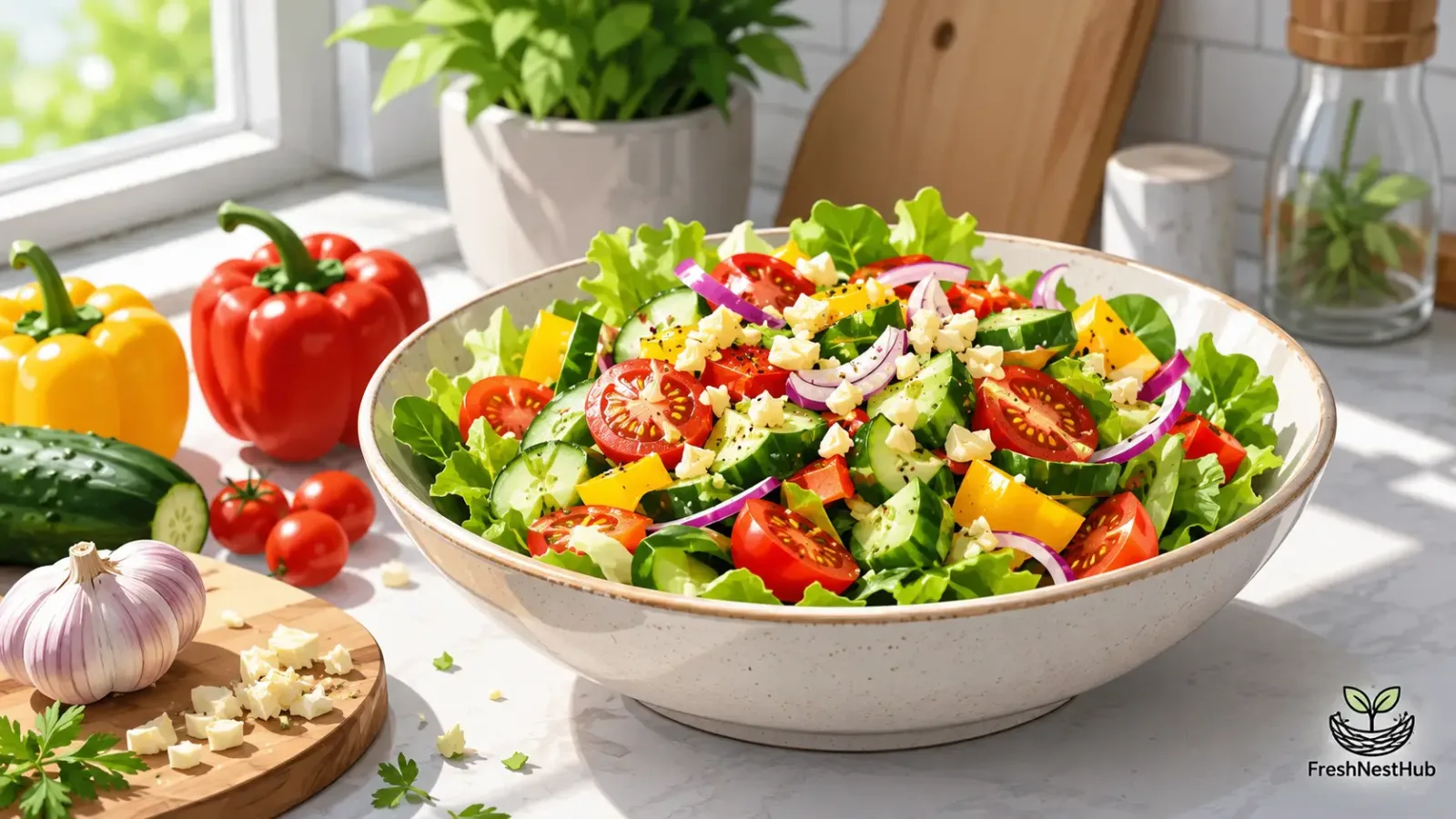
- Add to dressings and marinades: Whisk crushed garlic into homemade salad dressings or use it to marinate meats and vegetables.
- Create a simple pasta sauce: Sauté garlic in olive oil, add some red pepper flakes, and toss with cooked pasta for a quick meal.
The Bottom Line
From its long history as a medicine to its essential role in kitchens worldwide, garlic is a truly remarkable ingredient. It offers a surprising array of potential health benefits, all while making your food taste incredible. So go ahead, grab another clove and enjoy all that garlic has to offer.

Comments
No comments yet — be the first.