
Summary
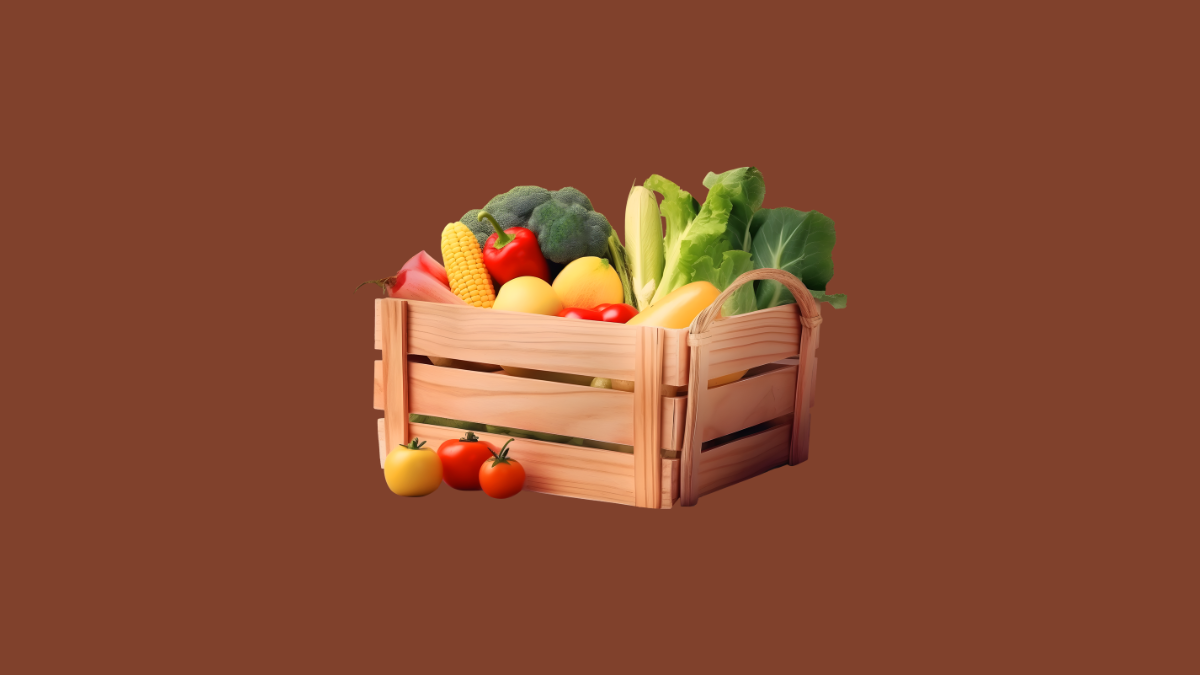
Eating smart doesn't mean eating less; it means choosing the right foods. This guide highlights 36 low-calorie options like apples, broccoli, and spinach that are packed with nutrients and fiber, helping you feel full and satisfied while supporting weight management and overall health. My top picks for versatility and impact are leafy greens, berries, and cruciferous vegetables.
When you're trying to eat well or manage your weight, the idea of cutting calories can feel like a punishment. Nobody wants to feel constantly hungry or deprived. But here's the thing: you don't have to. The secret lies in choosing foods that are naturally low in calories but high in the stuff that keeps you full and happy.
Many vegetables and some fruits fit this bill perfectly, thanks to their high water and fiber content. They give you the volume and nutrients your body needs without piling on the energy that can lead to weight gain. I've put together a list of 36 fantastic low-calorie foods that are not only nutritious but genuinely satisfying.
Key Takeaways
- Focus on foods rich in water and fiber to feel full on fewer calories.
- Many vegetables and some fruits are naturally low in calories and nutrient-dense.
- Incorporating these foods can help with weight management without deprivation.
- Herbs and spices are excellent for adding flavor without extra calories.
- Aim for a balanced diet, using low-calorie foods as a foundation for meals and snacks.
36 Low-Calorie Foods to Add to Your Plate
1. Apple
Apples are a classic for a reason: they're low in calories and high in fiber. A medium apple has around 95 calories and helps you feel full, making it a smart choice for a snack or a sweet addition to your breakfast. I often grab one when I need something satisfying.
2. Broccoli
Often called a superfood, broccoli is dense with nutrients. One cup contains just 31 calories and packs a punch with antioxidants and fiber. It's great steamed, roasted, or added to stir-fries.
3. Chia Seeds
Sprinkling just one tablespoon of chia seeds adds about 60 calories but keeps you feeling full for a long time. They're also good for tissue health, skin, and hair, and they support brain health.
4. Watercress
Naturally low in calories and fat-free, watercress is packed with essential vitamins, phytochemicals, and minerals. It's a peppery addition to salads and sandwiches.
5. Celery
Looking for a crunchy, low-calorie snack? Celery is perfect. Its high water content makes it naturally low in calories; one cup has around 18 calories. It's great with a light dip or added to soups.
6. Cabbage
Cabbage is another low-calorie vegetable, high in vitamins, minerals, and antioxidants. One cooked cup contains about 33 calories and almost no fat. It's easy to prepare and good for digestion.
7. Brussels Sprouts
These mini cabbages are high in fiber and low in calories. Eating them regularly helps keep blood sugar steady and supports bone health. Roasted Brussels sprouts are a favorite around my house.
8. Cauliflower
If you're looking to manage your weight, cauliflower is a great friend. One cup has about 25 calories, so you can enjoy it without worrying about extra pounds. Try it mashed, roasted, or as a rice substitute.
9. Carrots
A cup of raw carrot sticks has around 50 calories, making up a tiny fraction of your daily intake. Carrots also contain natural compounds that can help manage fat cell growth.
10. Cucumber
Cucumbers are a fantastic source of antioxidants and anti-inflammatory compounds. The peel and seeds hold most of the nutrients. They have very few calories, zero fat, carbs, sodium, or cholesterol, and are incredibly hydrating.
11. Fennel
Known for its subtle licorice-like flavor, fennel helps protect bone health and its fiber keeps you feeling full. It's also a good source of vitamin B6, which helps with iron absorption and digestion.
12. Garlic
Garlic has plant compounds with potent properties and close to zero calories per clove. It's rich in vitamin C, B6, manganese, and fiber, and a fantastic flavor enhancer for almost any dish.
13. Leaf Lettuce
Lettuce comes in many varieties, all low in calories and high in essential minerals. This simple leafy vegetable helps keep you hydrated and is packed with vitamin A and antioxidants, making it a great base for any salad.
14. Arugula
Arugula contains important nutrients for bone and heart health, and may reduce the risk of some cancers. One cup has just five calories and minimal fat, along with folate, potassium, and magnesium.
15. Soup
Broth-based soups made with lots of vegetables can be incredibly filling. They offer all the nutritional goodness with minimal calories and fat, helping you feel satisfied and supporting weight management. Just be mindful of creamy or high-sodium varieties.
16. Beets
Beetroots have an impressive nutrition profile. They're low in calories and contain good amounts of essential vitamins and minerals. Their high nitrate content can help manage blood pressure.
17. Asparagus
These green spears are full of folate, vitamin C, K, and potassium. Half a cup contains just 13 calories. They're delicious steamed, roasted, or grilled.
18. Chard
What makes chard super nutritious is its antioxidants, fiber, and other nutrients, with virtually no calories, fat, or carbs. Commonly called Swiss chard, it's a vibrant green that's great sautéed.
19. Grapefruit
Grapefruit is very low in calories, rich in nutrients, and offers a good amount of fiber, vitamins, and minerals. It helps support your immune system, manage appetite, and can be a refreshing breakfast item.
20. Kale
Kale is another nutrient powerhouse. It contains very few calories but is packed with vitamins C and K, and antioxidants. It's great for managing blood pressure, improving digestion, and adding to smoothies or salads.
21. Lemon
Lemons are wonderfully refreshing. A medium-sized lemon has just 20 calories, and its tart taste signals a good dose of vitamin C. Starting your day with lemon water can give you a nice energy lift and aid digestion.
22. Onion
Onions are rich in fiber, folic acid, and essential vitamins, while being low in calories. They have no sodium, fat, or cholesterol and can be eaten raw or cooked. They're also known for their anti-inflammatory properties.
23. Pepper
Bell peppers are low in calories and dense in nutrients, offering potassium, fiber, vitamins, and folic acid. Their low calorie count makes them a staple in many healthy recipes, especially salads. They come in a variety of vibrant colors, each with slightly different nutrient profiles.
24. Papaya
One small papaya has about 59 calories and can leave you feeling full. It's a great option for a healthy mid-morning snack, packed with antioxidants and good for skin health.
25. Radish
With virtually no fat, sugar, or carbs, radishes are also low in calories. This zingy, crunchy root vegetable is a great source of vitamin C. Eating them regularly can provide antioxidants and help manage blood sugar.
26. Spinach
No healthy diet feels complete without spinach. Beyond being low in calories, these healthful greens contain various essential vitamins and folate. With just seven calories in one cup, it's a superfood that supports glowing skin and promotes overall well-being.
27. Strawberry
Strawberries are an amazing source of potassium and vitamins. They're also sodium-free, fat-free, cholesterol-free, and very low in calories. This delicious tangy fruit is a must-add for weight management, improving skin health and boosting immunity.
28. Snap Peas
With one cup containing just 40 calories, snap peas deserve more attention. This non-starchy green vegetable is packed with vitamins, beta-carotene, and potassium. They're known for supporting weight management and heart health.
29. Tomato
It's good to know that this versatile vegetable contains minimal calories; one medium-sized tomato has just 16 calories. Enriched with vitamin C, fiber, and a special compound called lycopene, they're excellent for improving eyesight, digestion, and making bones stronger.
30. Watermelon
Watermelon is a wonderfully hydrating fruit, made of over 95% water. With about 30 calories per 100 grams, eating this fruit as a snack can help keep you away from less healthy options. It's also a source of amino acids that can aid in fat burning.
31. Zucchini
Eating zucchini regularly is a great way to manage your weight. Available in various colors, these vegetables are nutritionally dense, rich in water, and low in calories, making them an ideal choice for healthy eating. They're versatile for grilling, baking, or even making 'zoodles'.
32. Herbs
Herbs like basil, dill, cilantro, and parsley, along with various spices, have minimal or no calories. They offer a pleasant fragrance and delicious taste that brings a dish together. Choosing herbs and spices to flavor your meals is a fantastic way to eat healthy without sacrificing taste.
33. Chilies
With very few calories, chilies have the capacity to speed up your metabolism. Loaded with antioxidants, green chilies can help get rid of free radicals, reduce blood cholesterol, and keep your cardiovascular system healthy. Plus, they add a great kick to any meal.
34. Mushroom
This earthy-tasting vegetable is often used as a meat substitute. Along with magnesium, zinc, and copper, mushrooms contain just 15 calories in one diced cup. They're also loaded with riboflavin, which is good for healthy blood cell count.
35. Ginger
Ginger plays a major role in traditional medicine for various ailments. One tablespoon of freshly grated ginger contains five calories and can provide relief from inflammation and help with an upset stomach. It's a wonderful addition to teas and stir-fries.
36. Oatmeal
A cup of oatmeal cooked in water has about 150 calories. To make it more filling and add protein, stir in half a cup of plain non-fat Greek yogurt for just 60 extra calories. You can mix things up with different ingredients like berries or a sprinkle of chia seeds.
How to Incorporate Low-Calorie Foods into Your Diet
Making these foods a regular part of your meals doesn't have to be complicated. Here are a few simple ways I like to do it:
- Swap out high-calorie sides: Instead of a large portion of rice or pasta, fill half your plate with roasted vegetables like broccoli, cauliflower, or Brussels sprouts.
- Bulk up your salads: Start with a base of leafy greens like spinach, arugula, or various lettuces, then pile on cucumbers, bell peppers, radishes, and tomatoes. Add a lean protein for a complete meal.
- Snack smarter: Keep pre-cut carrots, celery, apples, or snap peas handy for when hunger strikes. Pair them with a small amount of hummus or a light dip.
- Rethink your breakfast: Add berries to your oatmeal or yogurt, or make a savory oatmeal with mushrooms and spinach.
- Flavor with purpose: Use plenty of fresh herbs, garlic, ginger, and chilies to add flavor to your dishes without relying on butter, oils, or heavy sauces.
- Make homemade soups: Broth-based vegetable soups are incredibly filling and can be packed with a variety of low-calorie vegetables like cabbage, zucchini, and carrots.
The Bottom Line
Calories are essential for your body to function, but too many without enough activity can lead to unwanted weight gain. By consciously choosing low-calorie, nutrient-dense foods, you can enjoy satisfying meals that support your health goals. These 36 options are a great starting point for eating well without ever feeling like you're missing out.


Comments
No comments yet — be the first.