
When you're looking to cool down a room, it's easy to think all fans do the same thing. But there's actually a big difference between an air circulator and a traditional fan, and knowing that difference can save you money and make your home much more comfortable. I've used both for years, and while they both have their place, one might be a much better fit for your needs.
Air Circulators vs. Traditional Fans: The Core Difference
The main thing to understand is how each device moves air. A traditional fan, like a pedestal or box fan, is designed to blow a stream of air directly at you. You feel that cool breeze right in front of it. It can certainly make a small area feel cooler, but it doesn't really change the temperature of the entire room. In fact, the motor on some traditional fans can even add a little bit of heat to the space over time.
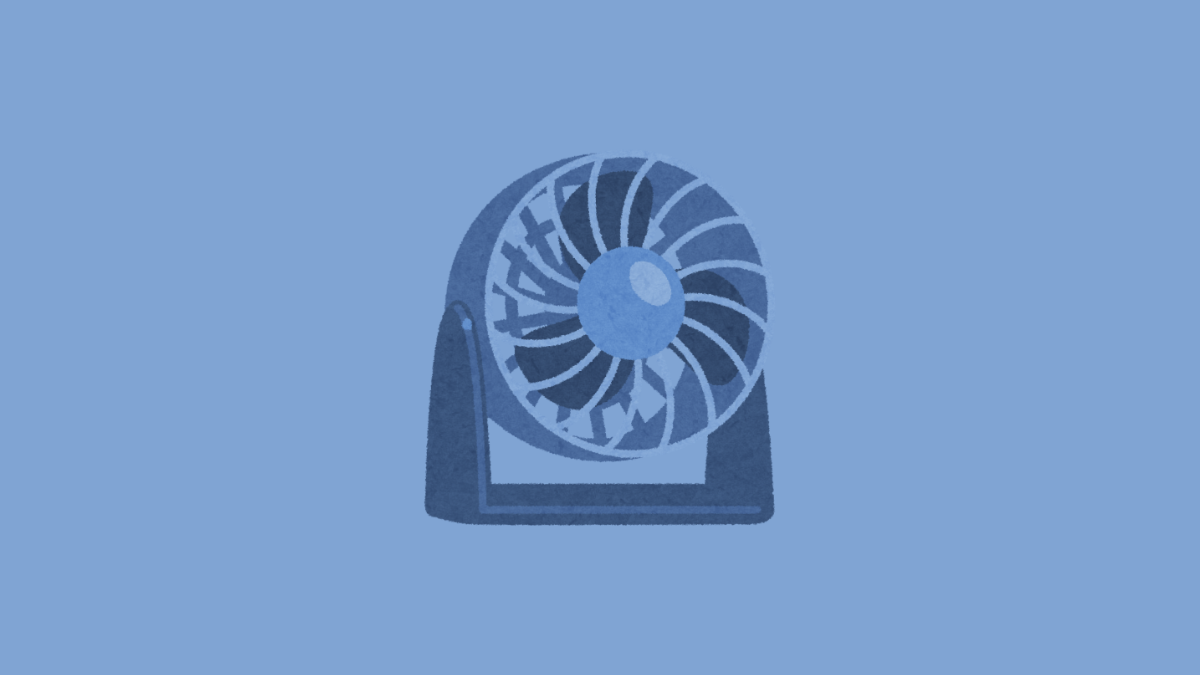
An air circulator, on the other hand, is built to move air throughout the entire room. It uses a unique design, often with deep-pitch blades and a spiral grill, to create a powerful, focused beam of air. This air stream then bounces off walls and ceilings, creating a full-room circulation pattern. This constant movement mixes all the air in the room, getting rid of hot and cold spots and making the temperature feel more even and comfortable.
When to Choose an Air Circulator
Air circulators shine when you want consistent comfort across a whole room. They're great for:
- Even Room Cooling: If you want to cool down a bedroom, living room, or home office effectively.
- Year-Round Use: In summer, they help you feel cooler by circulating air. In winter, they can help distribute warm air from your heater, making your heating system more efficient and eliminating cold spots near windows or doors.
- Quiet Operation: Many air circulators are surprisingly quiet. On average, they produce about 40 decibels of noise, which is similar to a quiet library. Even on higher settings, they typically stay below 60 decibels.
- Productivity: Many offices and workspaces use them because they create a comfortable environment without a direct, distracting blast of air.
Popular brands like Vornado are well-known for their air circulators and how effectively they move air around a space.
When to Choose a Traditional Fan
Don't count traditional fans out! They still have their place, especially for:
- Direct, Personal Cooling: If you just need a blast of air to cool you down while you're sitting on the couch or working at your desk, a traditional fan does the job perfectly.
- Outdoor Use: For a porch, patio, or a backyard gathering, a traditional fan is usually the better choice. Air circulators need an enclosed space to work their magic, so they won't be as effective outdoors.
- Smaller Spaces: In a very small room where you're always close to the fan, a traditional fan can provide enough direct relief.
How Much Do They Cost to Run?
When it comes to electricity, both air circulators and traditional fans are fairly similar. Most air circulators use anywhere from 30 to 50 watts, depending on the speed setting. If you run one for a few hours every day, you can expect it to add roughly $5 to your monthly electricity bill. Traditional pedestal and tower fans often fall into a similar wattage range, so the running cost isn't usually the deciding factor between the two.
Keeping Your Air Circulator Clean
Maintaining an air circulator is pretty simple. You'll want to clean it once a month or so to keep it running efficiently and prevent dust buildup. Most models allow you to easily remove the front grill. Then, you can use a soft brush, a damp cloth, or even the brush attachment on your vacuum cleaner to gently clean the blades and inside the grill. Just make sure it's unplugged before you start!
Making Your Choice
Ultimately, the best choice for you depends on what you need. If you're looking to cool down a whole room, maintain an even temperature year-round, and prefer a quiet, efficient option, an air circulator is probably your best bet. If you just need a direct breeze for personal comfort or for an outdoor space, a traditional fan will serve you well.
Think about the size of your room and how you want to feel. A little bit of thought before you buy can make a big difference in how comfortable your home feels.



Comments
No comments yet — be the first.